
Introduction
A printing business can be started from home and gradually developed into a full-time business. You don’t necessarily need an expensive shop or a large team at the beginning.
The important decision is choosing what you want to print and who you want to sell to.
You could print T-shirts, hoodies, workwear, caps, mugs, promotional products, stickers, signage or business branding. Starting with one or two services is usually easier than trying to offer everything immediately.
This guide focuses on a practical approach for someone starting a small printing business in South Africa.
1. Choose Your Printing Niche
Before buying equipment, decide what customers you want to serve.
| Printing service | Typical customers | Good starting point? |
|---|---|---|
| T-shirt printing | Individuals, events, clothing brands | Yes |
| DTF transfers | Clothing businesses, individuals | Yes |
| Vinyl printing | Schools, small businesses, events | Yes |
| Sublimation | Mugs, gifts, polyester clothing | Yes |
| Embroidery | Companies, uniforms, clubs | Better later |
| Signage | Businesses and events | Depends on equipment |
| Large-format printing | Businesses, advertising companies | Higher investment |
The best opportunity is not necessarily the printing method with the most expensive machine. It is the one that matches real demand in your area.
2. Compare the Main T-Shirt Printing Methods
| Method | Strength | Limitation | Suitable for |
|---|---|---|---|
| DTF | Works on many fabrics and detailed designs | Requires equipment or outsourced transfers | T-shirts and clothing |
| Screen printing | Excellent for larger quantities | Setup becomes inconvenient for small orders | Bulk orders |
| Sublimation | Strong, permanent-looking results on suitable polyester products | Limited mainly by fabric/material requirements | Sportswear and gifts |
| Vinyl/heat transfer | Simple to start | Less suitable for complex designs and large production | Names, numbers and simple logos |
| DTG | Detailed direct garment printing | Equipment can be expensive | Premium small-batch printing |
The right choice depends on your order size, materials, budget and desired finish. Industry comparisons also show that different methods have different strengths rather than one method being universally best.
3. Don’t Buy the Machine First
This is one of the most important lessons for a beginner.
It is tempting to see a printing machine advertised online and immediately start calculating how much money you could make.
Instead, test the market first.
You can initially outsource printing to an established printer while you concentrate on finding customers.
For example:
Customer orders 10 T-shirts → you collect payment → outsource the printing → deliver the finished order → keep your margin.
Once you consistently receive enough orders, purchasing your own equipment starts making more sense.
This approach reduces the risk of spending thousands of rand on equipment that sits unused.
4. Start With a Small Equipment Setup
If you decide to print yourself, your equipment depends on the service.
For a basic clothing-printing operation, you might eventually need:
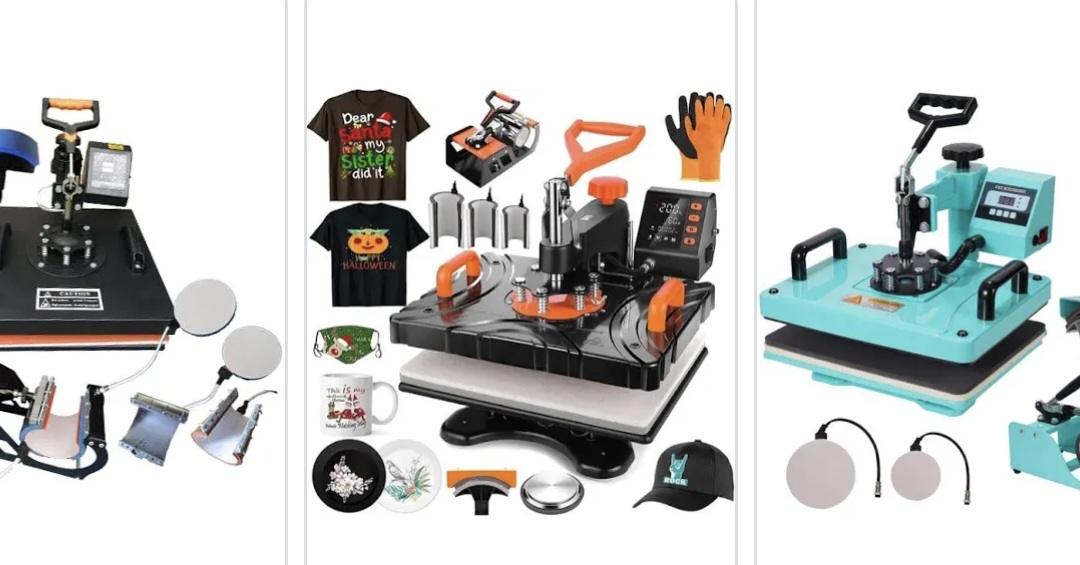
- Heat press
- Computer or laptop
- Design software
- Cutting equipment if using vinyl
- DTF equipment or outsourced DTF transfers
- Blank T-shirts and hoodies
- Packaging
- Measuring and quality-control equipment
Don’t automatically buy the biggest machine.
Your first machine should solve the orders you already have—not the orders you hope to receive someday.
5. Register Your Business Properly
You can operate as a sole proprietor or establish a company, depending on your circumstances and business objectives.
SARS explains that a sole proprietorship is not a separate legal entity from its owner, while companies are separate legal entities and are registered through the CIPC.
If you choose to establish a private company, CIPC provides company-registration services, including online registration options.
You also need to understand your tax responsibilities. SARS states that businesses need to consider their applicable tax obligations, and qualifying small businesses may have access to simplified tax arrangements such as Turnover Tax.
Tax thresholds and requirements can change, so verify the current position directly with SARS before making decisions.
6. Calculate Your Real Printing Cost
Never price a T-shirt simply by adding the blank shirt and printing cost.
Consider:
| Cost | Example consideration |
|---|---|
| Blank garment | T-shirt, hoodie or cap |
| Printing | Ink, transfer or outsourced printing |
| Labour | Your time or employee time |
| Packaging | Bag, box or branded packaging |
| Electricity | Presses and other equipment |
| Delivery | Courier or local delivery |
| Marketing | Advertising and content |
| Failed products | Misprints and damaged garments |
| Payment fees | Online payment costs |
Your selling price must leave enough money to cover these costs and generate a sustainable profit.
7. Find Customers Before Expanding
Your first customers can come from your immediate market.
Consider approaching:
- Schools
- Churches
- Sports teams
- Small businesses
- Restaurants
- Events
- Birthday groups
- Funeral committees
- Construction companies
- Security companies
- Clothing startups
- Local entrepreneurs
Instead of saying “I do printing,” show customers exactly what you can produce.
Create sample products and photograph them professionally.
A restaurant owner may respond better to:
“We print branded staff T-shirts and uniforms.”
than:
“We offer custom printing.”
Specific services are easier for customers to understand.
8. Build Your Own Printing Brand
If your long-term goal is to become a premium printing company, don’t only compete on price.
Build a recognizable identity.
Use consistent:
- Logo
- Packaging
- Product photography
- Social-media design
- Customer communication
- Invoices
- Delivery presentation
This is where the OtherSyde approach to business becomes useful: the product is only one part of the experience; the brand and customer relationship also matter.
Where to Find Information for Verification and Comparison
For South African business registration and tax information, verify requirements directly through SARS and CIPC rather than relying on old social-media posts or articles.
For equipment, compare at least three suppliers and ask about:
- Warranty
- Training
- Consumables
- Repairs
- Replacement parts
- Electricity requirements
- Software
- Delivery
- After-sales support
A cheap printer can become expensive if replacement parts and technical support are difficult to obtain.
OtherSyde’s Practical Perspective
The biggest mistake a new printing entrepreneur can make is believing that owning a printing machine means owning a printing business.
The machine is only a tool.
The business is the customer, the product, the pricing, the quality control, the marketing and the ability to deliver orders reliably.
If I were starting from zero, I would first prove that customers are willing to pay for the service. Then I would invest in equipment based on the orders I am already receiving.
That makes the business decision much easier because the equipment is supporting an existing demand instead of becoming an expensive experiment.
Conclusion
Starting a printing business in South Africa does not have to begin with a large investment.
Choose a specific printing service, test demand, outsource work where necessary, learn the production process and reinvest your profits into equipment as your customer base grows.
The practical knowledge shared through OtherSyde is intended to help someone who has never operated a printing business understand the decisions involved before spending money.
Use this information as a starting point, but verify current registration, tax, equipment prices and supplier terms independently before committing your money.