
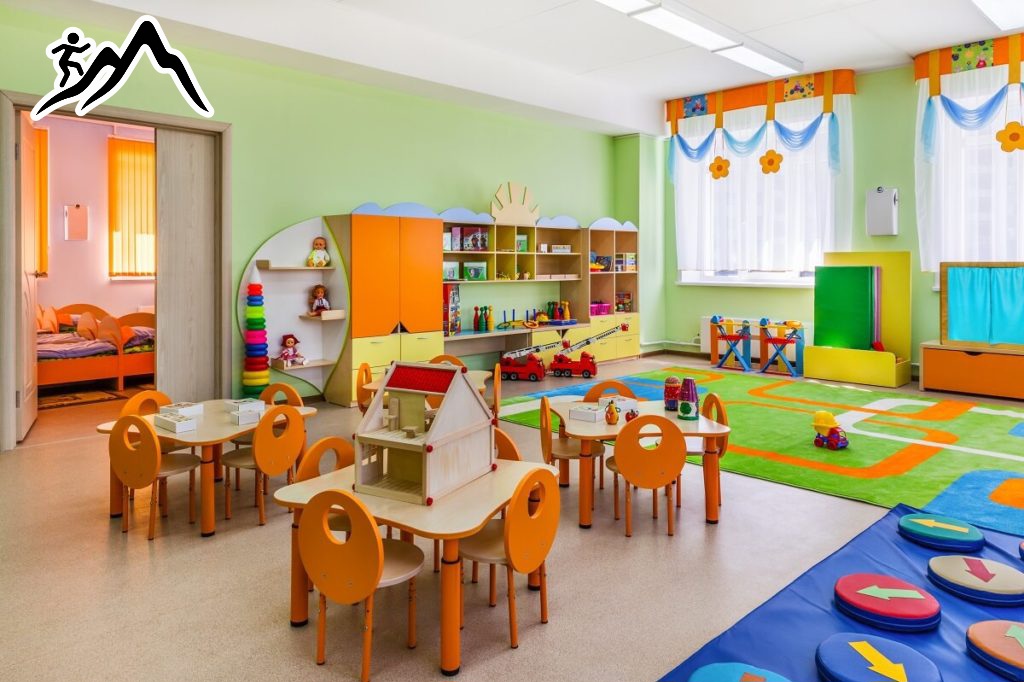
Meta Description: Learn how to start a small childcare business in South Africa, including planning, registration, safety, pricing, marketing, home-based childcare and practical steps for getting your first clients.
Written by: OtherSyde Group
Editorial focus: Small-business development and practical entrepreneurship
Experience/Expertise note: OtherSyde Group shares practical business-building knowledge and focuses on helping entrepreneurs turn small ideas into structured businesses. Legal and childcare requirements should always be verified with the relevant authorities.
Introduction
A childcare business can be a practical opportunity for someone who enjoys working with children and wants to build a service-based business close to home.
You do not necessarily need to start with a large daycare centre. Depending on your circumstances and the applicable requirements, you can develop a small childcare operation and grow it as demand increases.
The important difference between childcare and many other small businesses is responsibility. Parents are trusting you with their children, so safety, suitable facilities, supervision, hygiene and compliance must come before profit.
1. Decide What Type of Childcare You Want to Offer
Start by choosing a specific service.
| Business model | What you provide | Starting difficulty |
|---|---|---|
| Home-based daycare | Daily care for young children | Medium |
| After-school care | Supervision after school | Medium |
| Holiday care | Childcare during school holidays | Medium |
| Babysitting | Individual/family childcare | Lower |
| Homework centre | Supervision and educational support | Medium |
| Preschool/ECD centre | Early childhood development services | Higher |
Don’t try to provide everything from day one.
For example, you could begin with:
“Safe after-school care for children in my local community.”
That gives you a much clearer target customer.
ALSO CHECK: How to Start a Snack Pack and Home-Garden Business in Kempton Park
2. Understand the Responsibility
Childcare isn’t simply watching children while their parents are working.
You need to think about:
- Child safety
- Supervision
- Hygiene
- Meals and snacks
- Emergency procedures
- Collection and drop-off
- Parent communication
- Safe sleeping arrangements where applicable
- First-aid arrangements
- Child records
- Staff suitability if you employ other people
Your business reputation will depend heavily on how safely and professionally you operate.
3. Check South African Requirements Before Opening
This is one area where you should not copy another childcare business’s setup.
The requirements can depend on the type, size and operation of the childcare service.
The South African government provides information relating to Early Childhood Development (ECD) services and registration. The Department of Basic Education is responsible for ECD matters and provides information about registration and regulatory processes.
If you intend to operate an ECD/day-care facility, contact the relevant government department and your municipality to establish exactly what applies to your proposed premises.
Also check requirements relating to:
- Building use
- Zoning
- Health and safety
- Fire safety
- Food preparation
- Registration
- Staff requirements
- Child protection
- Emergency procedures
Do this before accepting children or spending heavily on renovations.
4. Prepare Your Home or Premises
If you plan to operate from home, don’t assume that having an available room automatically makes it suitable for childcare.
Think about:
Entrance: Can children enter and leave safely?
Outdoor area: Is there a secure place for children to play?
Bathroom: Is it clean and appropriate?
Sleeping area: Is there enough safe space if children need to rest?
Kitchen: Can food be prepared and stored safely?
Security: Are gates, doors and dangerous areas properly secured?
Emergency access: Could children be evacuated quickly?
A childcare environment should be designed around the children—not simply around whatever space happens to be available.
ALSO CHECK: Othersyde Bussiness Plug: How to Start a Baking Business as a Woman in Kempton Park, South Africa
5. Create a Simple Daily Programme
Parents want to know what their children will do during the day.
A basic programme might include:
07:00–08:00 — Arrival and free play
08:00–09:00 — Breakfast and activities
09:00–10:30 — Learning/play activities
10:30–11:00 — Snack
11:00–12:00 — Outdoor play
12:00–13:00 — Lunch
13:00–14:30 — Rest/quiet activities
14:30–16:00 — Activities and collection
This is only an example. Your programme should suit the children’s ages and your approved operating model.
6. Work Out Your Costs
Before setting your monthly fee, calculate your actual costs.
| Expense | Example |
|---|---|
| Food and snacks | R2,000 |
| Cleaning supplies | R500 |
| Utilities | R800 |
| Learning materials | R500 |
| Safety equipment | R300 |
| Transport/other costs | R400 |
| Example monthly costs | R4,500 |
These figures are illustrative only, not current South African childcare prices.
If you care for 10 children, you then need to calculate how much revenue is required to cover your costs, your own income and future business expenses.
Don’t copy another daycare’s fee without understanding what their fee includes.
7. Decide What Your Fee Includes
You could charge:
- Daily rates
- Weekly rates
- Monthly rates
- After-school packages
- Holiday packages
Clearly explain what parents receive.
For example:
Monthly childcare package
Includes:
- Supervision
- Structured activities
- Afternoon snack
- Homework time
- Parent communication
If meals, transport or special activities cost extra, say so before the child starts.
8. Build Trust With Parents
This is probably your strongest marketing tool.
Parents want to know:
“Will my child be safe here?”
Build trust through:
- Clear rules
- Professional communication
- Clean facilities
- Reliable opening hours
- Proper child records
- Emergency contacts
- Transparent pricing
- Regular parent updates
- References where appropriate
- Appropriate screening and suitability checks for anyone working with children
Never promise something you cannot provide.
YOU CAN BE INTRESTED: How to Start a Tissue Paper Unique Business with low buget in Johannesburg, South Africa with tohersyde group
9. Find Your First Customers
Start locally.
Potential customers include:
- Working parents
- Parents in your neighbourhood
- Local community groups
- Nearby businesses
- Apartment complexes
- Community organisations
- Existing parent networks
Use WhatsApp Business to create a simple profile and enquiry process.
Your advert could communicate:
HOME-BASED CHILDCARE
Safe and structured childcare for local families.
Services:
Daycare | After-school care | Holiday care
Location: [Your area]
Contact: [Your business contact]
Avoid advertising more places than you are legally and practically able to accommodate.
10. Don’t Overexpand Too Quickly
A common small-business mistake is taking too many customers before the system is ready.
If your safe and manageable capacity is 8 children, don’t accept 15 simply because more parents want the service.
Instead:
8 children → improve the service → build reputation → understand your costs → expand legally and safely.
If you eventually need employees, calculate whether the additional children will generate enough revenue to cover wages, food, equipment, administration and other costs.
OtherSyde Group’s Practical Perspective
From a small-business perspective, I would treat childcare differently from an ordinary retail business.
I wouldn’t begin by asking:
“How many children can I fit into this space?”
I’d ask:
“How many children can I safely and properly care for while maintaining a quality service?”
That change in thinking can completely alter the business plan.
Start with a manageable number, build trust with parents and keep proper financial records. If demand grows, use that evidence to decide whether you should expand your premises, services or staff.
The goal isn’t simply to collect monthly fees.
The goal is to build a childcare service that parents feel comfortable recommending to another parent.
Where to Find Related Information for Full Verification
For the legal and regulatory side, use official South African government sources and your local municipality rather than relying on social-media advice.
Before opening, verify the current requirements for your particular childcare model, including ECD registration, premises, health and safety, zoning, fire requirements and any applicable staff requirements.
If you operate in a specific municipality, contact that municipality directly because local requirements can differ.
Also verify any tax or business-registration responsibilities with SARS and CIPC if you establish a formal business.
Frequently Asked Questions
Can I start childcare from home?
Possibly, depending on the type of service, number of children, premises and applicable municipal and ECD requirements. Check the requirements before starting.
How much money do I need?
There is no single startup amount. Your costs depend on whether you already have suitable premises and equipment, the number of children and the type of childcare you provide.
Can I charge parents monthly?
Yes, a monthly package can be one business model, but clearly explain what the fee covers and establish payment terms before accepting the child.
Is childcare profitable?
It can be, but profitability depends on capacity, fees, food and operating costs, staffing, premises and compliance expenses. Calculate your numbers before deciding.
DONT MISS: How to Start a Printing Business With othersyde career guidance in South Africa with low budget
Conclusion
Starting a childcare business can begin with a focused service and a manageable number of children, but safety and compliance must come before growth.
The practical process is:
Choose your childcare model → check the legal requirements → prepare suitable premises → establish safety procedures → calculate your costs → set transparent fees → market locally → start small → build trust → expand carefully.
OtherSyde Group’s approach is to treat a small business as something that should be tested, measured and improved, rather than something that needs a huge investment from the beginning.
For childcare specifically, however, growth should never come at the expense of children’s safety.
Start responsibly, build parents’ trust, keep your numbers under control and grow only when your systems are ready.